
State of California, Office of Emergency Services

State of California, Office of Emergency Services

Background

The California WMD Summit was established to enhance the state’s readiness for Weapons of Mass Destruction (WMD) incidents through the Office of Emergency Services. This annual event aims to bring together key agencies and organizations to strengthen collaboration and improve multi-jurisdictional response capabilities.

Mission

The summit’s mission is to provide comprehensive WMD response training for the State of California and unite the four FBI offices through a complex, multi-city, multi-jurisdictional, all-hazard training exercise. By fostering interagency cooperation, the summit ensures that participants are well-prepared to address a range of potential threats and emergencies.

Solution

SummitET played a pivotal role in planning and executing the 2023 and 2024 WMD Summit. The team supported CalOES by developing and facilitating the Tabletop Exercise (TTX), coordinating closely with the FBI WMDD, and providing Observer/Controller and PIO/EOD SME support for the Full-Scale Exercise (FTX). This hands-on approach ensured that all participants received practical experience and expert guidance.

Result

The 2024 CalOES WMD Summit saw an impressive turnout, with 245 participants representing approximately 110 departments, agencies, organizations, and private companies.

SummitET has consistently supported the summit since 2022 and recently completed the 2025 event in Los Angeles, reflecting a strong ongoing partnership. The WMD Summit provides invaluable networking opportunities and fostered a deeper understanding among all stakeholders.

As one anonymous participant shared, “Overall, I thought this was an amazing exercise and experience. The networking and greater understanding of what others are doing to prepare for potential WMDs was invaluable!”

Conclusion

The California WMD Summit continues to set the standard for collaborative emergency preparedness. SummitET’s expertise and dedication have been integral to the event’s success, helping to ensure California’s agencies are equipped to respond effectively to WMD incidents. The sustained partnership and positive feedback demonstrate the lasting impact of this vital training initiative.
Department of Homeland Security Countering Weapons of Mass Destruction Office

Department of Homeland Security Countering Weapons of Mass Destruction Office

Background

The growing complexity of radiological threats has demanded continual advancements in detection capabilities. Federal agencies face persistent challenges in ensuring their frontline operators are equipped to identify and mitigate sophisticated threats that could compromise national security. Recognizing these evolving risks, the government sought a comprehensive program that could rapidly deliver innovative detection solutions to the field.

Mission

The Mobile Detection Deployment Program (MDDP) was initiated to address the urgent need for frontline operators to detect and respond to radiological threats that pose a risk to national security. Operators lacked state-of-the-art equipment necessary for detecting advanced and evolving radiological threats. Meeting this challenge required accelerating the development and deployment of cutting-edge detection systems in a timely and efficient manner.

Solution

To tackle this critical mission, the CWMD office launched the MDDP, focusing on building strong, collaborative relationships with industry partners. These partnerships enabled the rapid development, testing, and deployment of state-of-the-art detection technologies. Emphasis was placed on swift procurement processes to ensure that frontline operators received the latest and most effective equipment, enhancing their ability to counter radiological threats efficiently and effectively.

Result

By prioritizing the rapid advancement and distribution of advanced detection technology, the CWMD office has substantially strengthened the nation’s capability to detect and mitigate radiological threats. The program’s ongoing evolution ensures that operators remain equipped with the most advanced tools available, maintaining a robust line of defense for national security.

Conclusion

The success of the MDDP demonstrates the impact of strategic industry partnerships and innovative procurement in addressing critical national security challenges. As the threat landscape continues to evolve, the program’s commitment to equipping frontline operators with cutting-edge technology ensures sustained protection for the nation and its citizens.

SummitET Presents Exercises and Training Support at I/ITSEC 2024

SummitET Presents Exercises and Training Support at I/ITSEC 2024

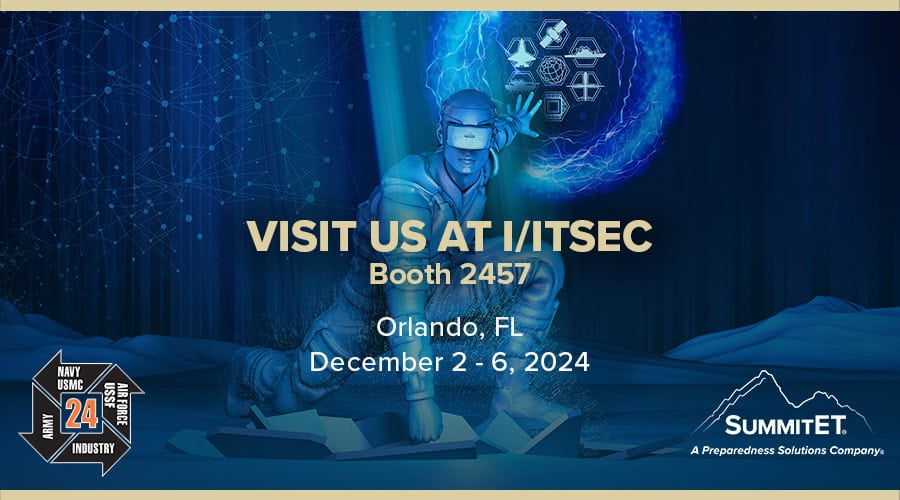
SummitET® is excited to present exercises and training capabilities at this year’s Interservice/Industry Training, Simulation, and Education Conference (I/ITSEC) in Orlando, Florida from December 2 to 6, 2024.

For almost 60 years, professionals in modeling, simulation, and training have gathered annually at I/ITSEC with a shared objective: to enhance the effectiveness of these disciplines in the world’s most complex environments. The 2024 conference theme Assuring Deterrence Through Integrated Training and Readiness – The Need is Now! “resonates not only throughout our military structure and operations, but through our allies and partners who, like us, are increasingly facing great challenges.”

SummitET has quickly grown its reputation as a leader in developing and supporting preparedness solutions that prioritize industry best practices and the latest developments in learning and technology. Drawing on their diversity of experience in emergency management and response, communications, and Chemical, Biological, Radiological, and Nuclear (CBRN) across military, government, and private sector applications, SummitET experts bring a comprehensive perspective to preparing for and managing a variety of risks. We provide solutions including full-scale field exercises, table-top exercises, plan development support, threat assessments, technical training and education, and beyond.

Schedule a Meeting

Use this calendar to schedule a meeting with our experts at I/ITSEC to discuss how we can support your trainings, simulations, planning, and more.

Training and Simulation Support:

CBRN Preparedness

Our preparedness capabilities include conducting threat assessments, developing response plans for potential threats, building training designed to mitigate the threats, and providing a suite of tailored workshops and exercises to test the readiness as well as providing the operational support an organization may require.

Strategic Communications Training

This includes comprehensive training in Joint Information System (JIS)/Joint Information Center (JIC) methodology and practices, risk and crisis communications, media relations, workshops, and exercises.

Social Media Simulation

Our training replicates real-world simulations conducted on closed native digital platforms to provide real-time, hands-on familiarity with social media tools and practices. 

Technical Consulting

Our diverse range of technical experts can support CBRNE effects modeling and simulation for realistic scenarios or augment exercises and training with technical support.

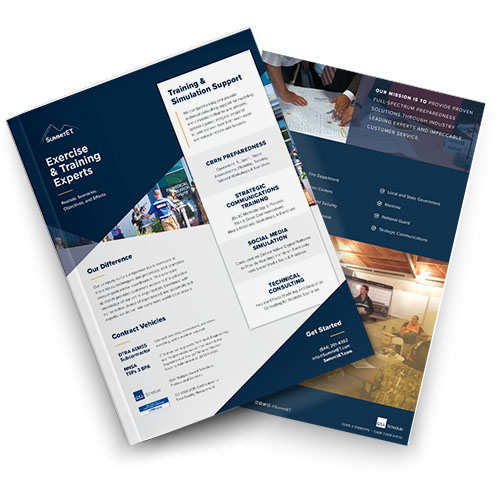
See our Exercise and Training Simulation Support Capabilities

SummitET IITSEC Exercise Capabilities

Contract Vehicles 

SummitET holds government contract vehicles that allow us to provide technical, programmatic, and business support services to federal and state/local agencies. Additionally, we are a subcontract team member for DTRA’s Assessment, Exercises, Modeling, and Simulation Support (AEMSS) multiple award contract.

Join the Workshop

SummitET experts Angela Leek, PhD, CHP and Jeff Skinner, MD will present a tutorial alongside colleague Nir Keren, PhD from Iowa State University:

Enhancing CBRN Response Readiness Using a Mental Model Matrix

Monday, December 2, 8:30-10:00am
Room 320F

Summary of Abstract:

Effectively addressing chemical, biological, radiological, and nuclear (CBRN) threats is crucial for military and emergency response teams, as these complex and rare incidents challenge responders’ preparedness. Traditional training often fails to capture the unpredictable nature of CBRN events, leading to gaps in responders’ mental models. This workshop presents an innovative approach that utilizes the Expected Mental Model State (EMMS) Diagnostic Matrix, an analytical tool designed to enhance cognitive strategies by aligning them with established military doctrines and emergency protocols. Participants will engage in discussions using case studies and data from practical exercises to identify gaps in mental models and refine training methodologies. By integrating military doctrine into the EMMS framework, the workshop aims to improve training resources and ensure that response teams are better equipped to handle the complexities of CBRN incidents.

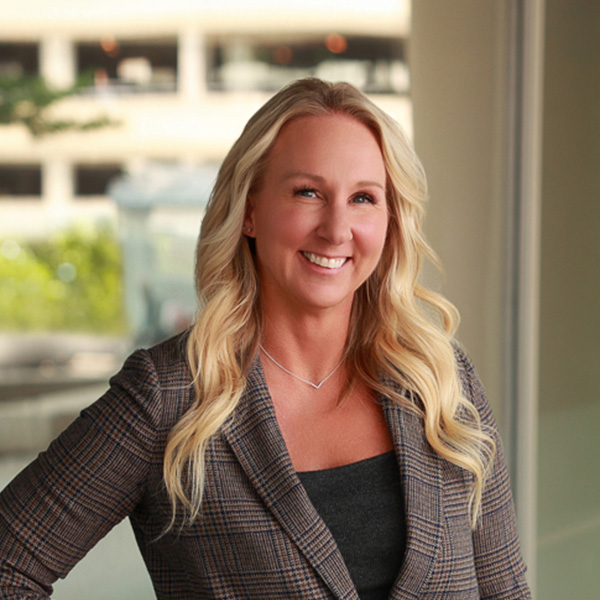
woman dressed in business suit smiling

Angela Leek, PhD, CHP

Director of Radiological Solutions & Regulatory Affairs

William "Jeff" Skinner, M.D.

Jeff Skinner, MD

Radiology Oncologist | CBRNE SME

If you’re attending I/ITSEC, we welcome you to join us at this session to learn more. Read the full abstract on page 84 of the conference agenda.

Meet the Experts

Find SummitET experts at Booth #2457.

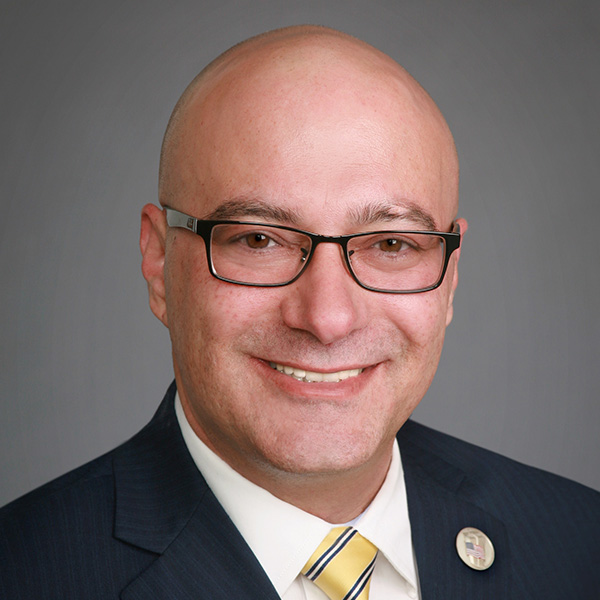
Man in business suit wearing glasses and smiling

Adam Montella

Executive Vice President

John Duda, Chief Executive Officer and founding partner at SummitET

John Duda

Chief Executive Officer

Andrew Manson Law Enforcement and CBRNE Subject matter expert

Andrew Manson

Program Manager | Law Enforcement and CBRNE SME

Leave Us a Message

Get in touch with our experts before the conference to get additional information or set a meeting time.

SummitET News

SummitET Offering Exercises and Training Support at I/ITSEC 2023

SummitET Offering Exercises and Training Support at I/ITSEC 2023

SummitET® is excited to participate in and present exercises and training capabilities at this year’s Interservice/Industry Training, Simulation, and Education Conference (I/ITSEC) in Orlando, Florida from November 27 to December 1. 

I/ITSEC is the world’s largest modeling and simulation event. The 2023 conference theme Sustaining a Global Force in a Digital World “challenges our community to consider the human within digital environments and how digital technologies support global military readiness.

SummitET’s Director of Radiological Solutions and Regulatory Affairs, Angela Leek, coauthored two papers that will be presented at this year’s conference:

Tuesday, November 28 at 1400
Session 23174 

Using VR Simulations in Conjunction with Priming to Enhance Conceptualizing Radiation and Risk  

Wednesday, November 29 at 1030
Session 23449 

Me and My Report: A Segmentized After-Action Review Embedded Report Application for Supporting Maintenance Training in VR

Angela Leek, CHP, Director of Radiological Solutions and Regulatory Affairs at SummitET

Angela Leek

Director of Radiological Solutions and Regulatory Affairs

If you’re attending I/ITSEC, we welcome you to join us at these sessions to learn more. The papers will be posted after the conference on the I/ITSEC publications and proceedings page. 

SummitET has quickly grown its reputation as a leader in developing and supporting preparedness solutions that prioritize industry best practices and the latest developments in learning and technology. Drawing on their diversity of experience in emergency management and response, communications, and Chemical, Biological, Radiological, and Nuclear (CBRN) across military, government, and private sector applications, SummitET experts bring a comprehensive perspective to preparing for and managing a variety of risks. We provide solutions including full-scale field exercises, table-top exercises, plan development support, threat assessments, technical training and education and beyond.

Our training and simulation support includes:

CBRN Preparedness

Our preparedness capabilities include conducting threat assessments, developing response plans for potential threats, building training designed to mitigate the threats, and providing a suite of tailored workshops and exercises to test the readiness as well as providing the operational support an organization may require.

Strategic Communications Training

This includes comprehensive training in Joint Information System (JIS)/Joint Information Center (JIC) methodology and practices, risk and crisis communications, media relations, workshops, and exercises.

Social Media Simulation

Our training replicates real-world simulations conducted on closed native digital platforms to provide real-time, hands-on familiarity with social media tools and practices. 

Technical Consulting

Our diverse range of technical experts can support CBRNE effects modeling and simulation for realistic scenarios or augment exercises and training with technical support.

Contract Vehicles 

SummitET holds government contract vehicles that allow us to provide technical, programmatic, and business support services to federal and state/local agencies. Additionally, we are a subcontract team member for DTRA’s Assessment, Exercises, Modeling, and Simulation Support (AEMSS) multiple award contract.

Exercise and Training Simulation Support

Learn more about our experience and capabilites within exercise and training simulation support.

SummitET IITSEC Exercise Capabilities

Meet Our Experts at Booth 3158

Adam Montella, Senior Vice President at SummitET

Adam Montella

Senior Vice President

John Duda, Chief Executive Officer and founding partner at SummitET

John Duda

Chief Executive Officer

Andrew Manson Law Enforcement and CBRNE Subject matter expert

Andrew Manson

Program Manager | Law Enforcement and CBRNE SME

Request a Meeting

[wpforms_selector form_id=”3331″ _builder_version=”4.20.2″ _module_preset=”default” min_height=”651.2px” custom_margin=”-75px|||||” hover_enabled=”0″ global_colors_info=”{}” sticky_enabled=”0″][/wpforms_selector]

SummitET News

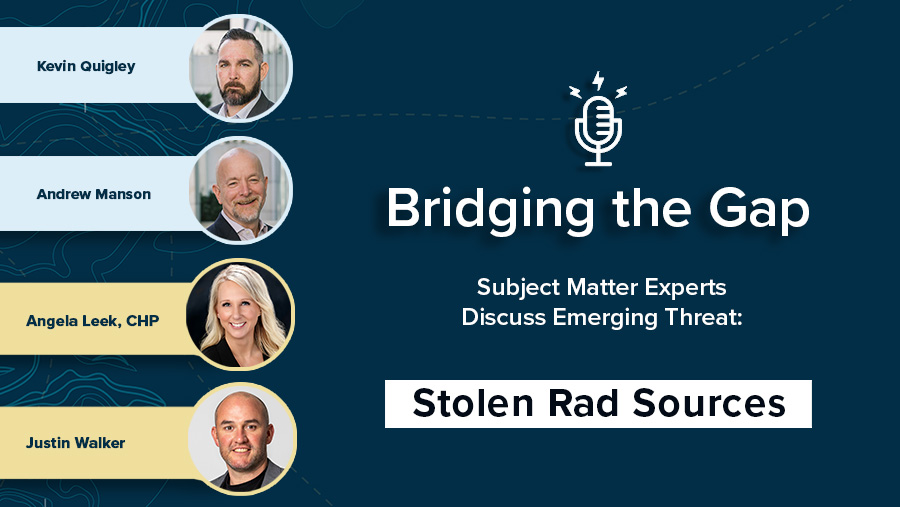
Bridging the Gap Episode 2: Stolen Radiation Sources

Bridging the Gap Episode 2: Stolen Radiation Sources

SummitET Subject Matter Experts interpret the emerging threat discussed in the following article. 

Three months, three missing radioactive items. Here’s what you need to know” by Tara Subramaniam

CNN.com, March 31, 2023 

non destructive testing

The recent articleThree months, three missing radioactive items. Here’s what you need to know provides an overview of the recent loss of regulatory control of three items containing radioisotopes in Thailand, Australia, and the United States. The article offers examples of how radioisotopes are used in commercial applications, discusses their associated hazards, and addresses the frequency of loss of regulatory control as seen in these three cases.

Radioactive Isotopes Uses

Radiological materials are used for beneficial purposes across the nation and the world daily – in medicine, research, and industrial applications. These materials are important for diagnosing and treating medical conditions like cancer or to ensure that the integrity of infrastructure like roads or pipelines are verified before beginning construction or use.  

The nature and use of radioactive materials in devices vary. In the U.S., radioactive materials are highly regulated, and the level of regulation, security, and oversight is based on the potential risk posed from the sources within the device. The U.S. Nuclear Regulatory Commission (NRC) and 39 Agreement States work together to ensure that all radioactive materials are properly licensed and used across all industries.

Industrial Radiography Camera

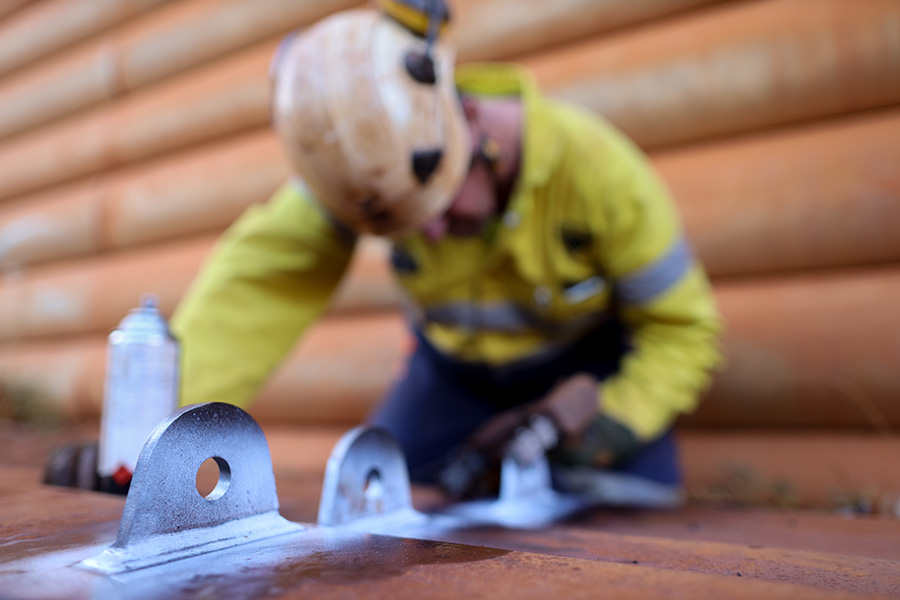
The industrial radiography camera, like the one that went missing recently in the U.S., is one common device that has greater regulatory oversight due its use as a high activity source. It is used in industrial settings for various types of non-destructive testing, but most commonly it is used to image welds or other structural integrity of pipes or metal structures. Most of these devices use an Iridium-192 (Ir-192) source which emits strong gamma photons that are needed to penetrate through the metal to create the images used to look for cracks or defects in the welds, among other purposes. Thousands of industrial radiography jobs are safely conducted across the nation every year.

The Ir-192 source is kept inside a very robust, shielded container, about the size of a shoebox, except when the imaging is occurring – then it is cranked out of the shield through a long tube to expose the film around the pipe or weld of interest. The source is only outside of the shielded housing for 30 seconds to a minute at a time and under very controlled settings carefully managed by the trained operators. This operator training, as well as the requirements for storage, security, transportation, and general use of the device, is outlined in regulations, and the NRC and Agreement States work closely with the licensees who are using these devices.

Theft or Loss of Radioactive Materials   

Bottom-line, individuals can’t just go and purchase or use an industrial radiography camera or other higher activity source without meeting stringent regulations that include significant site security and background checks on those employees with access to the materials.  

However, as indicated in the article, accidents sometimes happen. When they do occur, immediate notification is required, the regulatory agencies actively coordinate with the licensee and any other appropriate agencies to locate the source and oversee any regulatory enforcement actions necessary to prevent other issues from occurring.

Prevention 

Sources can go missing by accident or by act of terrorism but in either scenario it is important that agencies are prepared to prevent and mitigate this risk. Preparing via the development of intelligence information sharing pathways, by creating specialized plans for communications, and other lifesaving tactics are what SummitET’s experts focus on when creating tailored solutions including exercises and training. Learn more how experts can help your agency be at its most prepared.

Contributors:

Angela Leek, Director of Radiological Solutions and Regulatory Affairs

Angela Leek, CHP

Director of Radiological Solutions and Regulatory Affairs

Andrew Manson Law Enforcement and CBRNE Subject matter expert

Andrew Manson

Law Enforcement/CBRNE SME

Justin walker law enforcement and SWAT Subject matter expert

Justin Walker

Law Enforcement SME/Retired Phoenix Police Officer/SWAT Operator; Lead RSARex SME

Kevin Quigley, CBRN and WMD Subject Matter Expert at SummitET

Kevin Quigley

All Hazards SME

Nuclear emergency readiness partnership with SummitET and NEST

Setting the Standard: Training, Strategic Guidance and Partnerships in Nuclear Emergency Readiness

How SummitET and NEST Raise the Bar for Radiological and Nuclear Incident Preparedness.

SummitET Bridging the Gap podcast episode 17 Communicating about risk

Bridging the Gap Episode 17: Empathy and Expertise: Communicating About Radiation Risk

In this episode of Bridging the Gap, Health Physicist Steve Sugarman speaks with host Mark Amann, a veteran strategic communicator, about the nuances and challenges of communicating about radiation in times of crisis.

Bridging the Gap Podcast: The Evolution and Capabilities of Previstar: A Journey Through Time

Bridging the Gap Episode 16: The Evolution and Capabilities of Previstar®: A Journey Through Time

In this episode of Bridging the Gap, SummitET experts speak with Himadri Banerjee, Previstar® CPS™ developer and SummitET CTO, about the history and capabilities of Previstar, a software that has played a pivotal role in emergency and incident management for over two decades.

Bridging the Gap Episode 15 Japan and U.S. Experts Talk Disaster Management

Bridging the Gap Episode 15: Japan and U.S. Experts Talk Disaster Management

In this episode of Bridging the Gap, SummitET had the honor of hosting a distinguished delegation of disaster management experts from Japan. This visit, ahead of the National Hurricane Conference, provided a unique opportunity to exchange ideas and share experiences in disaster management and preparedness.