No Results Found
The page you requested could not be found. Try refining your search, or use the navigation above to locate the post.

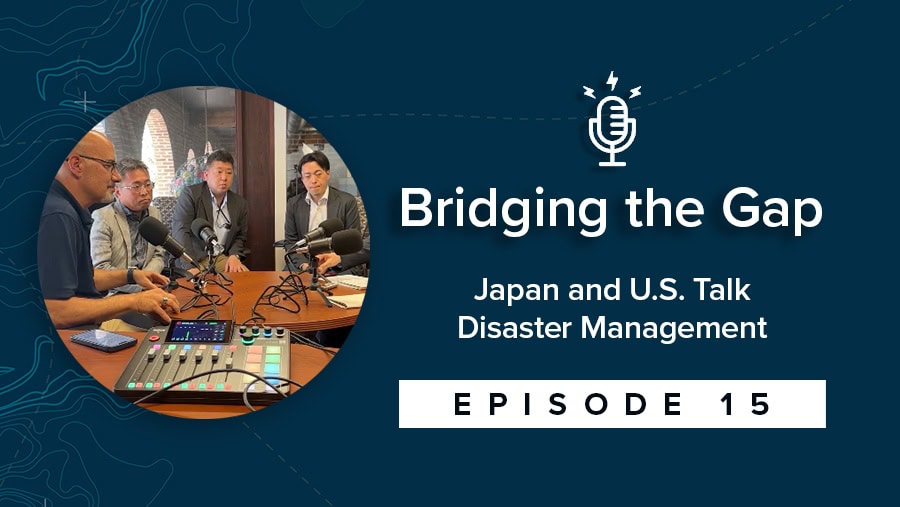
SummitET had the honor of hosting a distinguished delegation of disaster management experts from Japan. This visit, ahead of the National Hurricane Conference, provided a unique opportunity to exchange ideas and share experiences in disaster management and preparedness.
Conversation quickly revealed the many parallels between hurricane preparedness in Florida and Japan, particularly in coastal communities with large elderly populations and challenging evacuations. There is specific interest in understanding planning and response patterns during the recent hurricanes in Florida and the lessons that could be applied to Japan. This team emphasized the importance of storm surge awareness, noting that Japan has not experienced a significant storm surge disaster in over 70 years.
The delegation expressed interest in the concept of qualified crisis management officers stationed in welfare facilities and hospitals, a practice they hope to see implemented in Japan. They are committed to bridging the gap between their current practices and the structured approaches observed in the United States.
The visit from the Japanese experts was a valuable opportunity to share knowledge and strengthen international collaboration in disaster preparedness. As we continue to face global challenges, it is through these exchanges that we can learn, adapt, and improve our strategies to protect communities.

Visiting Professor with the Center for Integrated Disaster Information Research (CIDIR) at University of Tokyo

Professor with the Disaster Prevention Research Institute (DPRI) at Kyoto University
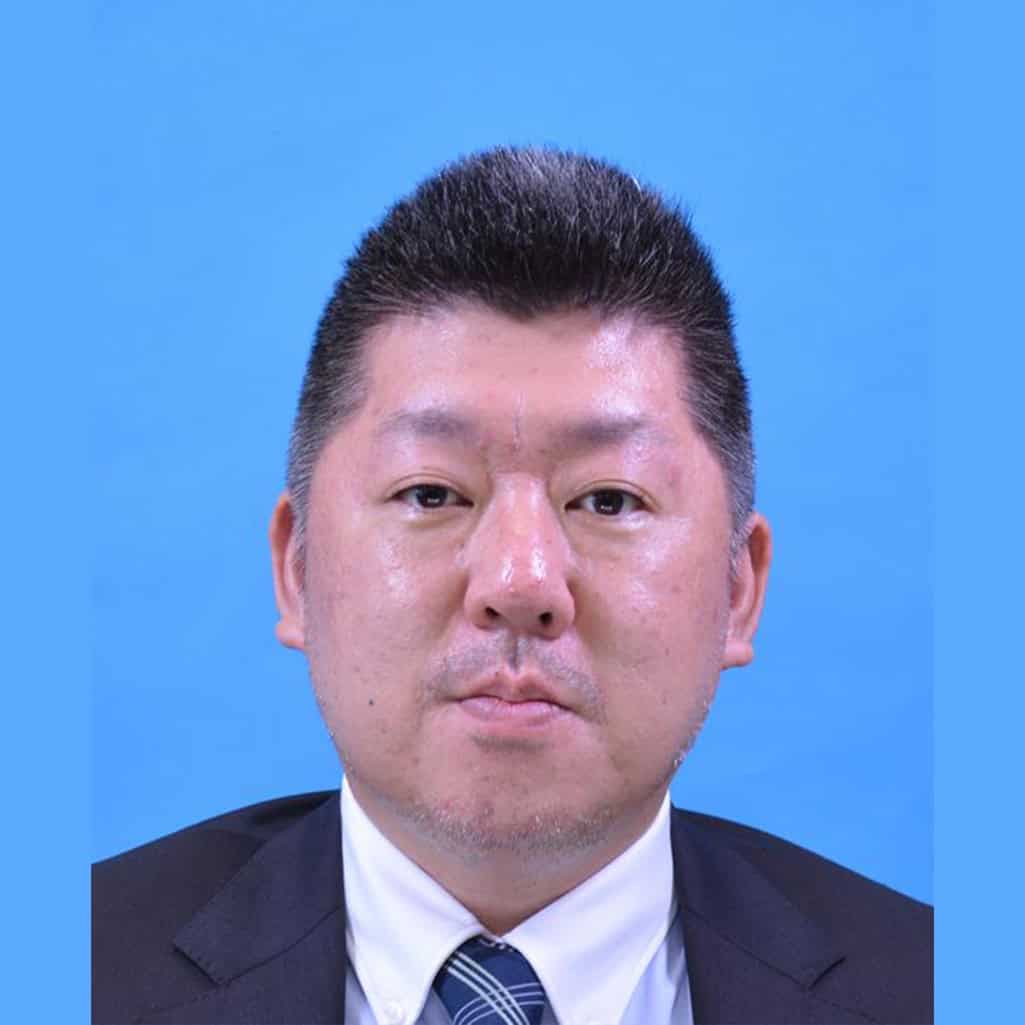
Senior Researcher with the Coastal Research Institute at the Ministry of Land, Infrastructure, Transport, and Tourism (MLIT), Japan

Deputy Director for the River Planning with Water and Disaster Management at the Ministry of Land, Infrastructure, Transport, and Tourism (MLIT), Japan
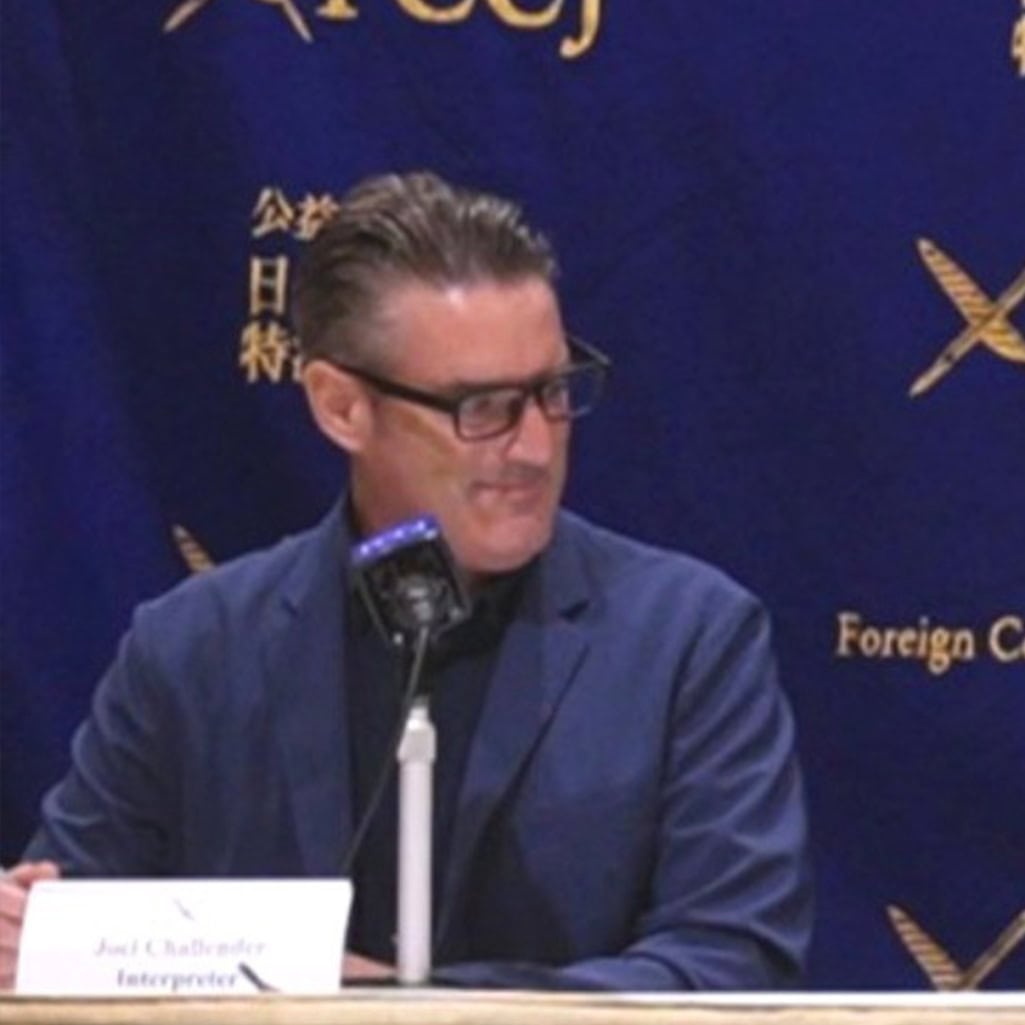
Interpreter/ Researcher with the Crisis and Environment Management Policy Institute (CeMI)

Executive VP, SummitET; Former GM of Emergency Mgmt for the Port Authority of NY/NJ; Disaster Management SME
Visit our Terms & Conditions
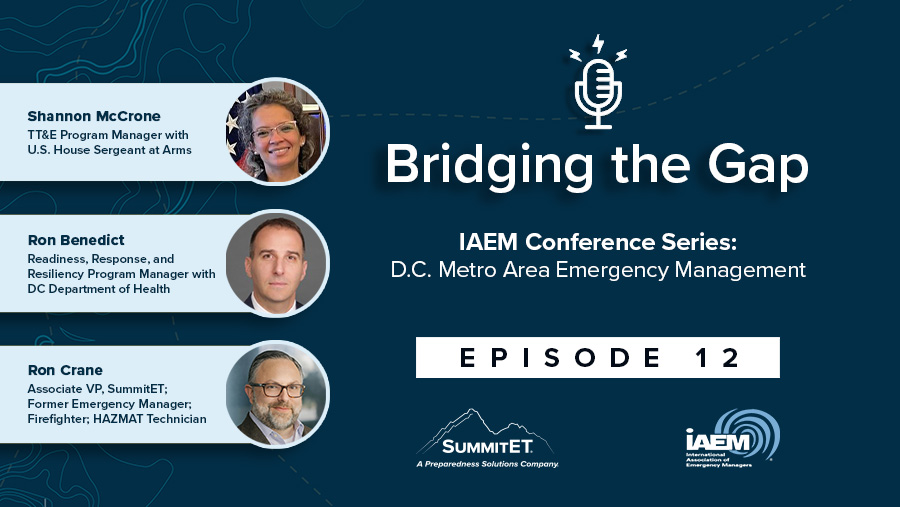
Ron Crane of SummitET speaks with Shannon McCrone with the U.S. House Sergeant at Arms and Ron Benedict with DC Department of Health at the 2024 International Association of Emergency Managers (IAEM) Conference.
In this special IAEM Conference Series episode of Bridging the Gap, our host is joined by Shannon McCrone, TT&E Program Manager with the U.S. House Sergeant at Arms and Ron Benedict, Readiness, Response and Resiliency Program Manager with DC Department of Health. Shannon and Ron share their experiences, challenges, and ideas for improvement in emergency management in the Washington D.C. metro area.
A key challenge in emergency management, as noted by Shannon and Ron, is the slow pace at which public entities adopt new technology including AI and CRM systems. Utilizing resources available through the private sector could greatly enhance efficiency and streamline the processing of evaluations and after-action reports. Coming together and bridging technological gaps can be pivotal for the field with proper support from leaders and communities in both sectors.
Ron and Shannon pointed out that emergency managers may sometimes over-communicate, particularly in after-action reports. They suggest an efficient solution: condensing after-action reports to two pages and focusing on key issues to accommodate leadership’s time constraints.
Regarding planning and preparedness methods, Shannon recommends innovative approaches, such as utilizing games in exercises to engage EM partners and convey information.
The D.C. area, like other metropolitan areas, requires effective collaboration and communication planning to disseminate disaster response information to diverse populations. With overlapping goals and limited funding, emergency management agencies across the region could benefit from coordinating and sharing training, exercise programs, and grant funding, thereby improving efficiency and success rates.
Shannon and Ron advise aspiring emergency managers to leverage their diverse backgrounds and skillsets, network within the field, and remain receptive to undertaking a variety of tasks to gain experience.
Individuals new to and interested in the field of EM are encouraged to volunteer, seize opportunities, accept entry-level positions, and gradually gain experience. They should consider taking calculated risks with their career paths and involve themselves in as many aspects of the field as possible. Individuals from professional backgrounds outside of the field often excel in emergency management due to acquired transferrable skills including event planning, client management, business logistics, etc.
Furthermore, patience is an important quality for new emergency managers, as changes within government processes can be gradual, requiring time for implementation.

TT&E Program Manager with U.S. House Sergeant at Arms

Readiness, Response and Resiliency Program Manager with DC Department of Health

Associate VP, SummitET; Former Emergency Manager; Firefighter & HAZMAT Technician
Visit our Terms & Conditions
Ron Crane of SummitET speaks with Preston Wilson, CEO of Resilience Solutions Consulting, at the 2024 International Association of Emergency Managers (IAEM) Conference.
In this special IAEM Conference Series episode of Bridging the Gap, our host is joined by Preston Wilson, CEO of Resilience Solutions Consulting. Prior to this role, Preston was the training manager for FEMA’s National Dam Safety Program, where he was responsible for developing and delivering training on emergency management and dam safety nationwide. Preston was also the primary author of FEMA’s Emergency Operations Planning: Dam Incident Planning Guide which provides practical instruction on how to develop emergency operation plans for dam incidents.
Dam safety is often an overlooked facet of emergency management, and in many cases, requires additional support and specialized professional insight from someone like Preston. Most dams in the United States are privately owned, which can range from small operations to large utility companies. Integrating dam safety into state and local emergency management plans can be challenging as it requires connecting these private owners with emergency managers and the community to ensure alignment of mitigation and recovery efforts.
A disconnect between dam owners and the emergency management community led to one of the largest evacuations in dam incident history. The Oroville Dam, owned by the California Department of Water Resources, suffered a critical failure in February 2017. Heavy rainfall led to the erosion of the dam’s main and emergency spillways, which threatened the structural integrity of the dam. Although there were no lives lost, the incident resulted in the evacuation of nearly 188,000 residents living downstream, making it one of the largest non-hurricane evacuations in United States history. The damage to the spillways and subsequent repair costs totaled over $1 billion, highlighting the severe financial and logistical impacts of inadequate dam safety planning and emergency preparedness.
Many in emergency management believe this could have been mitigated with better planning and coordination between officials and the dam owners.
Another issue, according to Preston, is that dams are being included in Emergency Management hazard mitigation plans as a checkbox exercise rather than through a thorough planning process. An integrated approach to dam safety should involve more collaboration with dam owners and the surrounding community.
Preston offered his advice to emergency managers in support of this collaboration:

CEO, Resilience Solutions Consulting; Dam Safety Subject Matter Expert
Associate VP, SummitET; Former Emergency Manager; Firefighter & HAZMAT Technician
Visit our Terms & Conditions
Ron Crane of SummitET speaks with Claire Canaan and Morgan Hunter, emergency managers from the Kansas City metropolitan area, at the 2024 International Association of Emergency Managers (IAEM) Conference.
In this special IAEM Conference episode of SummitET’s podcast Bridging the Gap, host and former emergency manager Ron Crane sits down with Claire Canaan and Morgan Hunter, emergency managers from the Kansas City metropolitan area. They discuss challenges in the EM field including staffing shortages and communication barriers, and the importance of embracing change and innovation.
Claire, the current Emergency Management Director with the City of Belton, Missouri is joined by former colleague, Morgan Hunter, Emergency Management Planner with Johnson County, Kansas. Due to regional proximity, Morgan and Claire use a regional coordination technique that encompasses unique cooperation and resource sharing in the Kansas City metropolitan area, facilitated by the Mid America Regional Council. This allows for seamless collaboration across state lines for small and large events like the Super Bowl parades and the upcoming FIFA World Cup in 2026. This collaboration drew them to participate in our podcast series as a team to discuss their unique and shared challenges in emergency management.
Claire and Morgan consider their experiences and challenges as newer emergency managers. COVID-19, for example, had a serious impact on each of their careers, changing the way they previously operated and shifted their understanding of the importance of communication and relationship-building in emergency management.
Our guests agree the emergency manager’s role is continuously evolving, pushing practitioners into new areas on a consistent basis. This evolution creates the need for more personnel and dedicated positions to remain successful and effectively serve their communities. Additionally, restructuring and redefining responsibilities within their departments has become important to allow space for upcoming emergency managers to experience continued education and growth.
Morgan and Claire also stressed the importance of community outreach and collaboration with various stakeholders, including other city or county departments, nonprofit organizations, etc. Specifically, they emphasize creating dedicated or known channels to directly communicate with stakeholders on an ongoing basis. They feel this approach would allow them to maintain lines of communication that are on-the-ready when an emergency event occurs.
Morgan and Claire urge experienced emergency managers to accept change and innovative ideas. They recommend making training more engaging with technology-based learning and improving communication by using social media and digital platforms to connect with communities and partners.
Both Morgan and Claire express the need for more opportunities for new professionals in emergency management. They recognize the value in fresh, innovative ways to communicate with stakeholders and advocate for opportunities to train and perform with new fervor for the field. This also helps spotlight emergency management, creating new pathways for entry and increasing visibility to communities and elected officials on the importance of the role of emergency managers. With support from the community and government, they hope they can better allocate resources, make timely decisions, and continue to operate at a high standard that continuously results in the highest success rate.

Emergency Management Director with the City of Belton, Missouri

Emergency Management Planner with Johnson County, Kansas
Associate VP, SummitET; Former Emergency Manager; Firefighter & HAZMAT Technician
Visit our Terms & Conditions
Ron Crane of SummitET speaks with Kevin Kupietz, PhD, Emergency Management Professor at Elizabeth City State University, at the 2024 International Association of Emergency Managers (IAEM) Conference.

In this special IAEM series of “Bridging the Gap,” our host Ron Crane speaks with Kevin Kupietz, PhD, Emergency Management Professor and Chair of the Department of Aviation and Emergency Management at Elizabeth City State University. Ron and Dr. Kupietz discuss challenges and opportunities in Emergency Management education.
Elizabeth City State University’s aviation program uniquely integrates manned flight education along with unmanned aircraft systems and emergency management. Aviation students can minor in emergency management, and many incorporate cybersecurity training, including drones, into public safety and Homeland Security projects. Involving students in these initiatives in hands-on environments helps them better understand current threats.
“The strength of our program and our small university is our students.“
Practical experience in emergency management education is applied in many ways throughout the courses. For example, students are deployed with nonprofit organizations and set up shelters during power outages during real-world disaster response.
The Elizabeth City State University program also focuses largely on understanding and integrating community engagement and public education to change perceptions and improve preparedness.
According to Dr. Kupietz, a significant challenge is recruiting high school students into Emergency Management undergraduate programs. Many students and their parents are unaware of the career opportunities in the field, and often students discover their interest in Emergency Management inadvertently when filling an elective course.
Another perceived issue for new Emergency Management graduates is job placement. It is challenging to secure high-level positions without experience, but students can find opportunities in private industry and related fields. Dr. Kupietz advises students to be open to entry-level positions to gain practical experience.
Practical experience for Emergency Management students helps them understand the challenges of various tasks and become familiar with technology and social media. These real-life experiences develop a broad skill set and enable collaboration with others.
To learn more about Elizabeth City State University’s Aviation and Emergency Management program, visit https://www.ecsu.edu/academics/dept-avi-em/index.php.

Emergency Management Professor and Chair of the Department of Aviation and Emergency Management at Elizabeth City State University
Associate VP, SummitET; Firefighter & HAZMAT Technician; Emergency Management SME
Visit our Terms & Conditions
Ron Crane of SummitET sits down with Jeremy Urekew, Senior Project Manager at Garner Environmental Services, at the 2024 International Association of Emergency Managers (IAEM) Conference.

In this IAEM Conference Series episode of SummitET’s podcast Bridging the Gap, Ron Crane of SummitET and Jeremy Urekew discuss ideas for improving challenges in the Emergency Management field. Jeremy has a background in emergency management, fire service, hazmat response, and counterterrorism work. With 25 years of experience in the public sector, he moved to the private sector by joining Garner Environmental Services, Inc., a disaster and emergency response company headquartered in Houston, TX.
A common issue in the field is municipal governments’ lack of resources during disaster response, according to Jeremy. This might include financial resources, staffing, access to materials, etc.
“Being able to take any load off of an emergency manager’s plate is critical during a disaster response.“
Jeremy believes there is a strong need for better public-private collaboration in disaster response. Aligning private sector capabilities with public sector needs during emergencies involves establishing partnerships and trust among organizations before disasters occur. Conferences such as IAEM facilitate this by helping emergency managers build relationships with private sector entities, which can be important during disaster response.
Hurricane Helene caused significant damage and loss of life in in Florida, Georgia, North Carolina, South Carolina, Tennessee, and Virginia after making landfall on September 26, 2024. North Carolina was especially impacted, with over 100 deaths, thousands of homes destroyed, and widespread loss of critical services like water, sewer, electricity, telecommunications, and healthcare.
“Day 1, there’s no power, there’s no water. And if there’s no water, there’s no sanitation.“
Jeremy deployed on a team to North Carolina as a representative for Garner where they worked to bring in sanitation components from across the U.S. and build “sanitation camps” for communities to include laundry, showers, restrooms, etc.
Garner set up a temporary logistics staging area that continues to evolve as, at their peak, the organization was supporting 350 different missions including armed security, water pressurization, critical infrastructure, and sanitation. When the public sector’s resources have been negatively impacted by the disaster, private organizations like Garner can step in to help.
“We’re the green light, give us a buzz.“
Garner prioritizes the sustainability of the communities it supports, so that they can continue their search and recovery efforts while getting back on track.
A significant challenge working in the field of Emergency Management is the ability to trust others when responding to a disaster. The tendency for an emergency manager is to want to rely on the team they know and have trained with, but this limits the response capability. As a means to overcome this difficulty, it’s important to network and make connections ahead of a disaster. Events like IAEM are a great opportunity to connect with other emergency managers and build new partnerships.
Jeremy advises new emergency managers to focus on gaining qualifications and real-world experience rather than just certifications. He emphasizes the importance of being able to perform tasks effectively and suggests supplementing public sector capabilities with private sector expertise when needed.

Senior Project Manager, Garner Environmental; HAZMAT Tech, CBRNE SME, Emergency Manager
Associate VP, SummitET; Firefighter & HAZMAT Technician; Emergency Management SME
Visit our Terms & Conditions