SummitET Subject Matter Experts interpret the emerging threat discussed in the following article.
“Three months, three missing radioactive items. Here’s what you need to know” by Tara Subramaniam
CNN.com, March 31, 2023
The recent article “Three months, three missing radioactive items. Here’s what you need to know” provides an overview of the recent loss of regulatory control of three items containing radioisotopes in Thailand, Australia, and the United States. The article offers examples of how radioisotopes are used in commercial applications, discusses their associated hazards, and addresses the frequency of loss of regulatory control as seen in these three cases.
Radioactive Isotopes Uses
Radiological materials are used for beneficial purposes across the nation and the world daily – in medicine, research, and industrial applications. These materials are important for diagnosing and treating medical conditions like cancer or to ensure that the integrity of infrastructure like roads or pipelines are verified before beginning construction or use.
The nature and use of radioactive materials in devices vary. In the U.S., radioactive materials are highly regulated, and the level of regulation, security, and oversight is based on the potential risk posed from the sources within the device. The U.S. Nuclear Regulatory Commission (NRC) and 39 Agreement States work together to ensure that all radioactive materials are properly licensed and used across all industries.
Industrial Radiography Camera
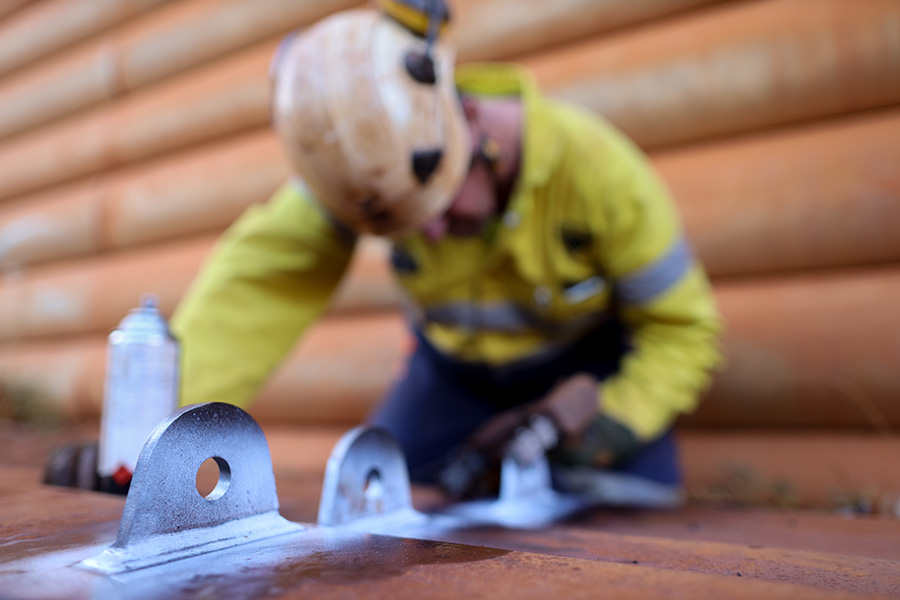
The industrial radiography camera, like the one that went missing recently in the U.S., is one common device that has greater regulatory oversight due its use as a high activity source. It is used in industrial settings for various types of non-destructive testing, but most commonly it is used to image welds or other structural integrity of pipes or metal structures. Most of these devices use an Iridium-192 (Ir-192) source which emits strong gamma photons that are needed to penetrate through the metal to create the images used to look for cracks or defects in the welds, among other purposes. Thousands of industrial radiography jobs are safely conducted across the nation every year.
The Ir-192 source is kept inside a very robust, shielded container, about the size of a shoebox, except when the imaging is occurring – then it is cranked out of the shield through a long tube to expose the film around the pipe or weld of interest. The source is only outside of the shielded housing for 30 seconds to a minute at a time and under very controlled settings carefully managed by the trained operators. This operator training, as well as the requirements for storage, security, transportation, and general use of the device, is outlined in regulations, and the NRC and Agreement States work closely with the licensees who are using these devices.
Theft or Loss of Radioactive Materials
Bottom-line, individuals can’t just go and purchase or use an industrial radiography camera or other higher activity source without meeting stringent regulations that include significant site security and background checks on those employees with access to the materials.
However, as indicated in the article, accidents sometimes happen. When they do occur, immediate notification is required, the regulatory agencies actively coordinate with the licensee and any other appropriate agencies to locate the source and oversee any regulatory enforcement actions necessary to prevent other issues from occurring.
Prevention
Sources can go missing by accident or by act of terrorism but in either scenario it is important that agencies are prepared to prevent and mitigate this risk. Preparing via the development of intelligence information sharing pathways, by creating specialized plans for communications, and other lifesaving tactics are what SummitET’s experts focus on when creating tailored solutions including exercises and training. Learn more how experts can help your agency be at its most prepared.
Contributors:
Angela Leek, CHP
Director of Radiological Solutions and Regulatory Affairs

Andrew Manson
Law Enforcement/CBRNE SME
Justin Walker
Law Enforcement SME/Retired Phoenix Police Officer/SWAT Operator; Lead RSARex SME
Kevin Quigley
All Hazards SME
Visit our Terms & Conditions